
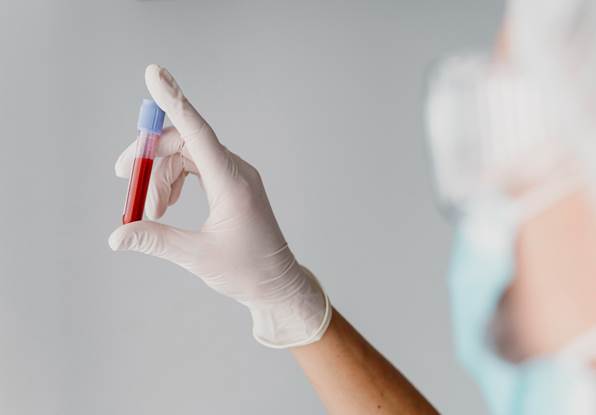
STD tests are essential checks to see if someone has a sexually transmitted disease. These tests can involve samples of blood, urine, or swabs to find infections. They are key to keeping everyone healthy and stopping the spread of these diseases.
When you get an STD test, it’s for your health and to stop others from getting sick too. These tests can show if you have an infection, sometimes even before there are any symptoms. Early detection means you can treat the disease sooner, making it better for you and others.
Breaking the Stigma: The Importance of Regular STD Testing
Getting STD tests should be as regular as getting a check-up or taking vitamins. Often, people don’t know they have an infection because they don’t have signs. But letting it go undetected can make it spread and get worse, not just for you but for others too.
STD tests accuracy is something to trust. Many people worry about false alarms or tests missing something, but they’re generally very reliable. Getting tested often means if a test misses an issue on a rare occasion, you’re likely to catch it in the future.
Why regular testing is wise:
- STD tests catch hidden infections early.
- Finding infections before symptoms appear boosts treatment success.
- Testing helps limit others’ exposure to infections.
Despite these benefits, stigma scares people away from STD tests. Many feel uncomfortable checking their sexual health. But regular tests can change how we view and handle sexually transmitted diseases, especially since many infected show no symptoms but can still infect others. Encouraging the importance of regular STD tests can bring more confidence and health.
Seeing STD tests as a standard health practice can squash stigma. Imagine if everyone checked for disease the way they do for vision or teeth. Surprisingly, losing this stigma starts with how we talk about STD tests. Knowing facts and figures provides reassurance and promotes safety.
Choosing the Right Time: When and Why to Get Tested for STDs
Figuring out when to do STD tests can be challenging, but some scenarios make testing a good idea:
- Starting a new relationship.
- No condom during sex.
- If you or your partner are pregnant.
- When any new symptoms crop up.
Routine STD tests work well for everyone, especially those often exposed to risks. Regular testing helps to spot unseen problems because even if an infection feels like a normal flu or headache, it can still be harmful.
But how often should you go for STD tests? Many myths float around about testing frequency. The truth is, you should talk with your partner and doctor to figure out what’s best for you. If you are more at risk, more frequent tests might be a great idea.
Privacy often worries people considering STD tests. Confidentiality is essential. Meaning, who’s tested and results stay private. This confidentiality means people should feel safe to proactively check their health without any fear.
Decoding the Methods: Types of STD Tests Available
When it comes to types of STD tests, you must know that different infections need different tests. You can’t find all diseases with one test.
Here’s how these tests work:
- Blood tests: These target infections like HIV and syphilis.
- Urine tests: Non-invasive and check for chlamydia and gonorrhea. The process is simple and it quickly tells you results.
- Swab tests: Used for HPV and herpes. A health professional gently collects a sample from the affected area.
Every test serves a unique role. No matter what, each is designed to pinpoint a disease accurately, ensuring you get the right care.
Knowing how each works can help you feel more comfortable. When you know what’s involved and it seems straightforward, it’s easier to face.
The STD tests result interpretation can give you peace of mind because you know how things stand. Interruptions prevent panic and misinformation from taking over. Knowing and understanding whether results, positive or negative, are correct helps people feel secure in their actions and treatments.
Empower Your Health: Understanding and Discussing STD Test Results
Once you have your results, knowing steps for STD tests result interpretation is super helpful. Understand what each part means. Look for “positive” or “negative” and match results with what was tested.
Worrying about accuracy in STD tests often looms. Focus on what steps to take next, rather than ‘what-ifs’. If you test positive, get advice right away about treatment. Share results with partners honestly but delicately, and support each other through treatment. Each test and meeting with a doctor serves to keep everyone healthy and informed.
Facing a positive result means being strong and seeking ways to improve health. Treatment options depend on what’s found, but healthier days lie ahead with proper care into action.
STD tests are essential for maintaining your sexual health and well-being. Many sexually transmitted diseases (STDs) can remain asymptomatic for long periods, so regular testing is key to early detection and prevention of complications. Whether you’re experiencing symptoms or just want to ensure peace of mind, Advance Diagnostics offers comprehensive and confidential STD testing services. With our advanced diagnostic tools and expert care, we make sure you receive accurate results quickly.
Take control of your health today—consult Advance Diagnostics for a professional, discreet, and reliable STD test. Your health is our priority.